Physical Address
304 North Cardinal St.
Dorchester Center, MA 02124
Physical Address
304 North Cardinal St.
Dorchester Center, MA 02124

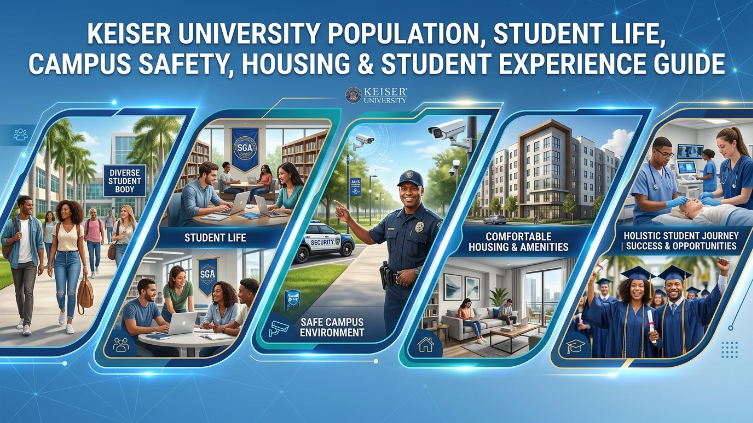
Thinking about attending Keiser University? One of the first things many students want to know is the Keiser University Population. Understanding the size of a university can help you picture daily campus life, classroom experiences, and student opportunities. It also gives you a better idea of what to expect before applying.
The Keiser University student population includes students from many backgrounds and age groups. Looking at Keiser University enrollment numbers can reveal how large and diverse the campus community is. Whether you’re a recent high school graduate or a working adult returning to school, you’ll find students with similar goals.
This guide explores the Keiser University population, student life, housing, and campus safety. You’ll also learn about Keiser University dorms, extracurricular activities, and what it’s like to be a Keiser University student. By the end, you’ll have a clearer view of the overall college experience.
Student life at Keiser University reflects the needs of a modern and career-focused student community. Unlike many traditional universities that revolve around large residential campuses, Keiser serves a mix of commuters, online learners, adult learners, transfer students, and full-time degree-seeking students.
The university offers academic programs across healthcare, business, technology, criminal justice, education, and other growing fields. As a result, the campus community includes students with different goals, schedules, and life experiences. Some attend classes full-time, while others balance work, family, and education.

The university has a substantial student population, with more than 21,000 students enrolled across its programs. Undergraduate students make up the majority of the student body, while graduate students represent a smaller but important segment.
Here’s a quick snapshot:
| Student Life Statistic | Data |
| Total Enrollment | 21,306 |
| Undergraduate Enrollment | 18,452 |
| Graduate Enrollment | 2,854 |
| Students Living On Campus | 4% |
| Students Living Off Campus | 96% |
| Athletic Association | NAIA |
These figures highlight the unique nature of the Keiser University student population. Most students commute or live independently rather than in university housing.
keiser university population keiser university population keiser university population keiser university population keiser university population keiser university population keiser university population keiser university population keiser university population keiser university population keiser university population keiser university population keiser university population keiser university population keiser university population keiser university population keiser university population keiser university population keiser university population keiser university population keiser university population keiser university population keiser university population keiser university population keiser university population keiser university population keiser university population keiser university population keiser university population keiser university population keiser university population keiser university population
Many students choose Keiser for its career-oriented approach and smaller class sizes. Instead of feeling lost in large lecture halls, students often work more closely with instructors and academic advisors.
For example, a nursing or healthcare student may spend significant time in practical training environments rather than participating in traditional campus-centered activities. This creates a different college experience from that of many large public universities.
The Keiser University student body is diverse in terms of age, career background, and educational goals. The university serves traditional college students, veterans, transfer students, and working professionals seeking career advancement.
Because of its flexible academic structure, the university attracts many adult learners who return to school after spending years in the workforce. This contributes to a dynamic campus community where students bring different perspectives and experiences into the classroom.
The university’s enrollment includes both full-time and part-time students across numerous campuses and online programs. Students come from various ethnic, cultural, and socioeconomic backgrounds.
Key characteristics of the student body include:
This diversity helps create a learning environment where students interact with classmates who have different life experiences and professional backgrounds.
Housing plays a different role at Keiser compared to many residential universities. Most students live off campus, reflecting the institution’s commuter-friendly model.
However, on-campus housing options are available at select locations. Students who choose campus housing often appreciate the convenience of living close to classes, academic facilities, and student activities.
Students interested in residence life can find housing options that support both academic success and social engagement. Housing facilities generally focus on providing comfortable living spaces while keeping students connected to campus resources.
Common housing features may include:
Since only a small percentage of students live on campus, residence halls often offer a quieter environment than those found at larger universities.
Athletics remain an important part of student life. Keiser competes in the National Association of Intercollegiate Athletics (NAIA), offering student-athletes opportunities to balance academics and competition.
Sports help strengthen school spirit and provide students with leadership, teamwork, and time-management skills that extend beyond the classroom.

In addition to competitive athletics, students may participate in recreational and fitness-related activities. These programs encourage healthy lifestyles and provide opportunities to build friendships outside academic settings.
Whether students compete at a high level or simply want to stay active, athletics contribute positively to campus culture.
Student organizations help create a stronger sense of belonging. While Keiser does not have a large Greek life presence, students can still connect through clubs, academic organizations, and leadership initiatives.
These groups allow students to explore interests beyond coursework while developing valuable interpersonal skills.
Leadership opportunities can help students build confidence and strengthen their resumes. Participating in student organizations often leads to networking opportunities and personal growth.
Popular involvement areas may include:
For many students, these experiences become some of the most memorable parts of college life.
Campus safety remains an important consideration for students and families. Like other higher education institutions, Keiser reports campus crime data in accordance with federal requirements.
Safety information helps prospective students evaluate campus conditions while understanding how incidents are tracked and reported.
Security measures commonly include:
Students are encouraged to stay informed and follow campus safety guidelines throughout their academic journey.
Crime statistics provide insight into reported incidents occurring on university property. These reports reflect alleged offenses reported to campus authorities rather than convictions.
Reviewing this information helps students gain a better understanding of campus safety trends.
Recent reports have shown very low numbers across many categories of serious criminal offenses. However, statistics should always be reviewed in context and alongside other campus safety resources.
Prospective students should also consider surrounding neighborhoods, campus security measures, and available support services when evaluating safety.
Student housing facilities often maintain separate reporting categories for criminal incidents. This allows universities to provide more specific information regarding residential environments.
Because relatively few students live on campus, housing-related crime reports may differ from those seen at larger residential institutions.
Residence hall safety depends on several factors, including security procedures, resident awareness, and community standards.
Many universities implement:
These measures help maintain a secure living environment for students.
Universities may also track arrests occurring in noncampus properties associated with institutional activities.
These reports provide additional context beyond incidents occurring directly on university grounds.
Data in this category often varies from year to year. In some reporting periods, no qualifying incidents may be recorded, while in other years, only isolated events may be recorded.
Students should view these reports as part of a broader safety assessment rather than relying on a single statistic.
On-campus arrest reports focus on violations occurring within university-controlled property. Common categories include weapons, drug-related offenses, and alcohol-related violations.
Fortunately, reported arrest numbers have generally remained low.
Universities typically categorize arrests into areas such as:
Understanding these categories helps students interpret annual safety reports more effectively.
Residential arrest data provides another layer of transparency regarding student living environments.
Because housing populations are relatively small, incident numbers can fluctuate significantly from year to year.
Students living on campus benefit from structured policies and housing regulations designed to support a safe and respectful community.
Housing staff often work closely with students to address concerns before they escalate into larger issues.
Crime reports involving noncampus properties help complete the overall picture of university-related safety data.
These reports may include incidents related to institutional activities that occur off campus.
While crime statistics remain useful, they should not be viewed in isolation. Prospective students should also consider factors such as campus security resources, local community conditions, and university support services.
A balanced approach provides a more accurate understanding of safety.
Beyond tuition, students should also plan for housing, transportation, meals, books, and personal expenses. These costs can vary significantly depending on lifestyle and location.
Students living at home often spend less than those renting apartments near campus.
Typical student expenses may include:
Creating a realistic budget before enrollment can reduce financial stress and improve overall student success.
Career preparation remains one of the university’s strongest areas of focus. Many academic programs emphasize practical skills and workforce readiness.
Students often seek opportunities to gain experience before graduation through internships and industry partnerships.
Career services may assist students with:
These resources help students transition from the classroom into professional careers with greater confidence.
Academic success requires more than classroom instruction. Students often benefit from tutoring, advising, wellness support, and other educational resources throughout their studies.
A strong support system can make a meaningful difference, especially for first-year students and adult learners returning to college.
Support services commonly include:
These programs help students stay focused on their educational goals while maintaining a healthy balance between academics and personal responsibilities.

Understanding the Keiser University Population gives you a clearer picture of what student life is really like. From academics and campus activities to housing and support services, the university serves a diverse group of learners. The Keiser University student population includes traditional students, working professionals, veterans, and online learners pursuing different educational goals.
Looking at Keiser University enrollment numbers can help you understand the size and structure of the campus community. You’ll also find that the Keiser University population is spread across multiple locations and learning formats. Whether you’re interested in classroom learning or flexible online programs, there’s a path designed for different student needs.
If you’re considering becoming a Keiser University student, it’s worth exploring every aspect of campus life. From academic resources to Keiser University dorms, each element contributes to the overall student experience. By reviewing these details, you can make a more informed and confident college decision.