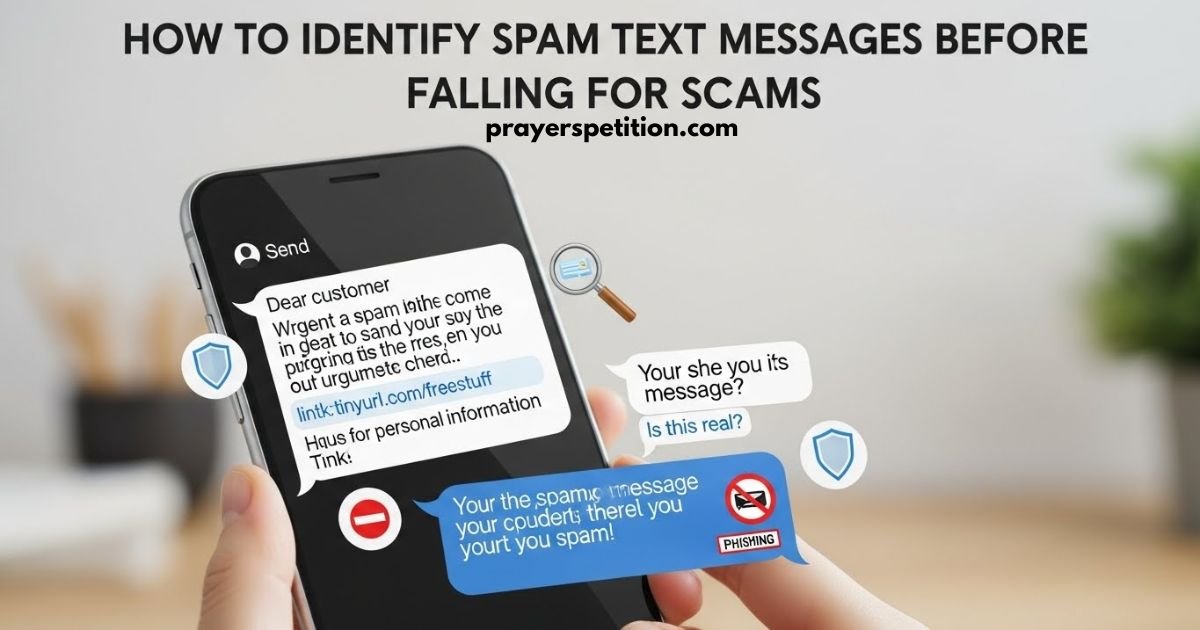
Spam text messages are everywhere these days. Many people get scam messages daily. Some look real, like bank alerts or delivery notices. Others promise prizes or refunds. It’s easy to click without thinking. Knowing how to spot them is important. Learning from spam text messages examples helps you stay safe.
You might see scam text messages on your phone. They try to steal money or personal info. Some are tricky and look official. Others are obvious scams. A spam message example copy and paste can help you recognize patterns quickly. Studying examples teaches you what to avoid.
If you ever get a suspicious message, don’t panic. You can even learn how to scare a text scammer. Understanding scam tactics and reviewing spam text messages examples protects your accounts and privacy. Stay alert and cautious.
Spam texts come in many forms. Some try to steal money, others personal info. Phishing messages often ask you to click links. Smishing combines SMS and phishing to trick you quickly. Bank scam messages or fake alerts are common. Detecting these early can prevent financial loss and identity theft.
SMS scams often look urgent, claiming your account will be locked unless you click the link immediately.
Phishing messages pretend to be your bank, asking for sensitive information like passwords or card numbers fast.
Smishing attacks combine SMS and phishing techniques to trick unsuspecting people into revealing personal details.
Scam text alerts warn of fake issues, hoping you panic and respond without thinking twice.
Fraudulent messages may claim free prizes, gift cards, or winnings to get your personal information quickly.
Fake delivery texts ask you to pay small fees or click links to receive non-existent packages.
Bank scam messages often appear authentic, using logos and names to trick you into sharing details.
Payment scam SMS try to convince you that a payment failed and prompt urgent action immediately.
Subscription scam texts claim you renewed a service or missed a payment that never existed.
Credit card scam SMS notify fake charges to push victims into sharing banking or personal info.
Many spam texts follow predictable patterns. They may mention prizes, overdue payments, or subscription renewals. Some claim account verification or refunds. Being familiar with these examples helps you avoid falling for scams. Always think twice before clicking links from unknown numbers or entering sensitive information online.
Fake prize texts often congratulate you on winning a lottery you never joined, asking urgent responses.
Overpayment scam messages claim you sent too much money and request refunds through suspicious links fast.
Subscription scam texts trick users into paying for unwanted services or fake renewals automatically.
Account verification scam warns your account is at risk and asks for login credentials immediately.
Payment scam SMS claims failed transactions, prompting victims to share bank details urgently for resolution.
Fake delivery alerts notify packages are delayed and require a link click to track them instantly.
Two-factor scam texts ask for verification codes, letting scammers access accounts without your knowledge.
Government scam texts pretend to be official notices about taxes, fines, or penalties demanding fast action.
Utility scam messages claim unpaid bills for electricity, water, or internet, asking for personal or payment info.
Crypto scam SMS offer fake investment opportunities or rewards to lure victims into sending funds.
Real-Life Spam Text Messages Examples
Real-life spam text messages are everywhere. Job scam messages, family emergencies, or account alerts often trick people. iCloud verification scams or account reactivation messages can appear legitimate. Being cautious, checking sender info, and avoiding unknown links help protect your data. Always confirm claims before acting.
Job scam messages promise high-paying roles but request upfront fees or personal details before hiring.
Family emergency scam texts create fake crises to push victims into sending money quickly without thinking.
iCloud verification scam messages try to steal Apple account login credentials with urgent prompts.
Account reactivation scam warns your social or email account is deactivated, requesting immediate sensitive info.
Text message fraud often appears harmless but secretly collects personal or financial information from users.
Unknown number texts may claim delivery issues, taxes, or account problems to trick people into clicking links.
Fake refund messages promise money back but redirect victims to malicious websites to steal banking info.
Mobile phishing texts try to steal OTP codes for online payments, compromising your accounts fast.
Subscription renewal scam messages can appear genuine, tricking users into paying for services never used.
Credit card scam SMS alert you about suspicious transactions, prompting panic-driven information disclosure online.
Package Delivery Scams
Package delivery scams are very common. You may receive a fake text claiming a package is awaiting payment or rescheduling. Clicking links can lead to malware or stolen banking info. Always verify with the courier company directly. Never share sensitive info based on text alone.
Fake delivery texts claim urgent payment required to release a package you never ordered online.
Package delivery scam messages often include links to track fake shipments, stealing bank or card info.
Some scam SMS pretend to be Amazon or UPS with realistic logos and tracking numbers falsely included.
Utility scam messages sometimes appear alongside delivery alerts, asking for payments for fake services together.
Fake refund messages may follow delivery scams, pretending to return money after clicking suspicious links.
Text scam prevention advice includes never clicking unknown delivery links and contacting the courier directly.
SMS spam filters can block many package scam messages but cannot catch all fake alert messages instantly.
Detect spam messages by checking for typos, unusual URLs, and unknown sender numbers before responding.
Family emergency scam messages can be linked to package scams, adding pressure for fast payment decisions.
Scam SMS examples of package alerts often ask for personal details, creating risk of identity theft quickly.
Family Emergency & Hi Mum Scams
These scams play on emotions, creating urgency and panic. Spam text messages often claim a loved one is in trouble. Hi Mum texts can pretend to be your child asking for money. Scammers rely on fear to make victims act quickly. Always verify claims before sending money or clicking any link.
Family emergency scam texts pretend a loved one is in danger, urging quick money transfer immediately.
‘Hi Mum’ scam messages impersonate children, asking for urgent funds without any prior warning or verification.
Scam texts claiming hospital emergencies trick victims into sending cash through untraceable payment methods instantly.
Fraudulent family alerts pressure people emotionally, creating panic that encourages hasty, unsafe financial decisions rapidly.
Unknown numbers may claim relatives are kidnapped or missing, requesting urgent money or personal banking info.
Text message fraud often uses fake family emergencies to manipulate trust and urgency for quick responses.
Scammers craft believable messages using names and relationships to push victims into sending money immediately.
Always call the family member directly to confirm before reacting to any emergency text or request.
Mobile phishing can hide behind emotional scams, collecting banking information under the guise of urgent help.
Even familiar names can be faked; never share sensitive info without verifying the sender’s identity carefully.
Fake Prizes and Gift Card Scams
These scams promise rewards like gift cards or lottery winnings. They look convincing, using real logos and fake URLs. The goal is to steal your personal information or install malware. Remember, if it sounds too good to be true, it probably is. Never click suspicious links.
Fake prize texts claim lottery wins or sweepstakes you never joined to steal personal information quickly.
Gift card scam messages request card numbers or PINs to claim a reward that doesn’t exist.
Scammers use logos and official-looking links to make fake prize texts appear believable and urgent.
SMS scams often promise free rewards, tricking people into entering sensitive banking or personal details.
Overly enthusiastic prize alerts with spelling mistakes can indicate a scam trying to collect your info.
Clicking links in gift card scams may download malware or redirect to fraudulent banking websites immediately.
Payment scam SMS sometimes pretend to verify prize claims but are designed to steal funds or info.
Text scam prevention includes ignoring unknown prize alerts and confirming offers through official sources only.
Fraudulent messages may ask for a small fee to release a fake reward, a clear scam tactic.
Scam SMS examples of prize alerts often pressure users into acting quickly, bypassing caution and verification.
Refunds, Overpayments, and Account Suspensions
Scammers exploit transactions and subscriptions. They claim refunds, overpayments, or account suspensions. These texts often urge clicking links to resolve issues. The goal is to steal banking info or login credentials. Always verify with the company directly and never share sensitive info based on text alone.
Refund scam texts claim you’re owed money, prompting victims to share banking info or click links fast.
Overpayment scam messages state you sent extra money, asking for immediate return through unverified accounts.
Account suspension scam texts warn you’ll lose access unless you click a link or share login details.
Payment information scam messages exploit fear of account issues to steal sensitive data rapidly and efficiently.
Subscription renewal scam texts trick users into paying for services they never signed up for intentionally.
SMS scams claiming financial errors pressure victims to act quickly, bypassing common safety checks or verification.
Fake refund messages may request multiple personal details under the guise of returning money owed to you.
Text message fraud using account issues often includes urgent language to manipulate emotional decision-making immediately.
Detect spam messages by checking official company emails or websites rather than responding to suspicious texts.
Overpayment and refund scams rely on panic, making careful verification the key defense against financial loss.
Bank Credit Card and Payment Information Scams
These scams target your financial accounts directly. They may claim unauthorized charges, payment failures, or account verification alerts. Their goal is to steal login credentials, card details, or two-factor codes. Always contact the bank directly using verified channels. Never click links or share sensitive info from unknown texts.
Bank scam messages claim suspicious transactions to trick victims into revealing account login details urgently.
Credit card scam SMS alert about fake charges, pushing panic responses and sharing sensitive banking information fast.
Payment information scam texts request verification codes or passwords to gain unauthorized access to your accounts.
Two-factor scam messages pretend to be security alerts, aiming to capture authentication codes immediately.
Fraudulent bank texts often use official logos to appear legitimate, deceiving victims into unsafe actions quickly.
Mobile phishing via payment alerts can compromise accounts if unknown links or attachments are clicked without caution.
Text scam prevention involves ignoring suspicious banking alerts and verifying claims directly with the institution safely.
Unknown number texts requesting card details or OTP codes are red flags for financial scams instantly.
Account verification scam messages manipulate urgency and fear to make victims bypass security protocols unknowingly.
Detect spam messages by reviewing recent account activity independently instead of responding to alarming unsolicited texts.
Job Offers Subscription Renewals & Service Alerts
Scammers often target job seekers or subscribers. Fake job offers promise high salaries but require upfront payments or personal info. Subscription renewal messages claim you missed a payment for services you never used. Service alerts may seem urgent but aim to steal banking details. Always verify through official channels.
Job scam messages promise attractive roles but request upfront fees or confidential personal information immediately.
Fake employment offers often use professional-looking emails and logos to appear genuine to unsuspecting candidates.
Subscription renewal scam texts claim payments are overdue, prompting quick responses without proper verification safely.
Service alert SMS can appear urgent, pushing users to click links and share sensitive data unwittingly.
Unknown numbers may send fake invoices, subscriptions, or service reminders to trick people into paying money.
Text scam prevention includes confirming job offers and subscription alerts through official company websites directly.
Fraudulent messages often pressure recipients to act quickly, bypassing critical safety checks before sharing information.
Detect spam messages by reviewing actual subscription status in your account, ignoring unverified SMS alerts instantly.
SMS scams targeting services may promise perks or punishments to manipulate recipients into hasty decisions quickly.
Always research job offers and renewal messages independently to avoid falling for fraudulent requests or phishing links.
Cryptocurrency and Investment Scams
Cryptocurrency and investment scams are rising rapidly. Texts may claim free crypto, high returns, or exclusive investments. They often use fear of missing out (FOMO) to push quick decisions. Links can steal funds or install malware. Always verify platforms, avoid sharing private keys, and never trust unknown investment alerts.
Crypto scam SMS promise instant returns or free cryptocurrency to trick victims into sending funds quickly.
Investment scam texts often create urgency using limited-time offers, pressuring recipients to act without thinking.
Fraudulent messages can install malware or steal private keys when clicking links in unknown crypto alerts.
SMS scams promoting investment opportunities often use fake company logos and testimonials to seem trustworthy immediately.
Payment scam SMS in cryptocurrency context can lead to irreversible financial loss if victims act hastily.
Detect spam messages by verifying investment platforms directly, ignoring unsolicited crypto alerts or unknown links safely.
Overly promising crypto returns with minimal risk are almost always scams designed to capture your funds fast.
Text message fraud targeting investments uses emotional triggers like fear of missing out to manipulate victims.
Unknown number texts claiming insider investment tips should be treated as high-risk potential scam attempts instantly.
Always research before investing in cryptocurrency alerts, confirming legitimacy through multiple trusted sources and official channels.
Smishing & Why It Matters
Smishing combines SMS and phishing to steal personal or financial info. These texts often look legitimate, like bank alerts or package notifications. Clicking links or responding can compromise accounts. Being aware of smishing helps prevent identity theft and financial loss. Use caution, verify sources, and enable SMS spam protection whenever possible.
Smishing attacks use text messages to trick recipients into revealing sensitive personal or financial information quickly.
Bank alerts and delivery notifications are common smishing targets designed to appear legitimate and urgent immediately.
SMS phishing often asks victims to click links or share OTP codes, compromising account security instantly.
Detect spam messages by confirming sender identity and avoiding interaction with suspicious unknown number texts safely.
Text scam prevention includes enabling SMS spam filters and staying cautious with unexpected alerts or links.
Mobile phishing combines social engineering and SMS to steal sensitive data like passwords, banking info, or IDs.
Fraudulent messages using smishing tactics often create panic or urgency to make victims act without thinking.
Always independently verify claims before responding to service, bank, or delivery-related SMS messages potentially malicious.
Smishing awareness is critical to protect accounts, devices, and personal information from rapidly evolving scam techniques.
Education on smishing helps users recognize patterns, avoid risky links, and maintain digital security proactively.
How Spam Checkers Work
Spam checkers analyze incoming messages to detect suspicious content. They use algorithms, keywords, sender patterns, and links to identify SMS scams. Some apps use AI to flag phishing or fraudulent messages. While not perfect, spam checkers help reduce risks. Combining them with caution improves protection against unknown or malicious texts.
Spam checkers scan messages for suspicious keywords, links, and unknown numbers to alert users immediately.
AI-based SMS spam filters detect phishing messages by analyzing patterns and previously reported scam texts quickly.
Some apps highlight suspicious sender info and alert you before clicking malicious links or attachments carefully.
Spam detection works by comparing incoming messages against databases of known scam text messages consistently.
Checkers often use machine learning to improve detection of evolving fraudulent messages and phishing attempts efficiently.
Text message fraud can be reduced when spam checkers flag unusual content or suspicious URL links instantly.
Mobile carriers sometimes provide spam warnings to block SMS scams before reaching your inbox proactively.
Combining spam checkers with personal caution provides a stronger defense against fraudulent and unknown number texts.
Detect spam messages using multiple layers, including device apps, carrier tools, and user awareness effectively.
Regularly updating spam detection apps ensures protection against new types of SMS scams and phishing tactics.
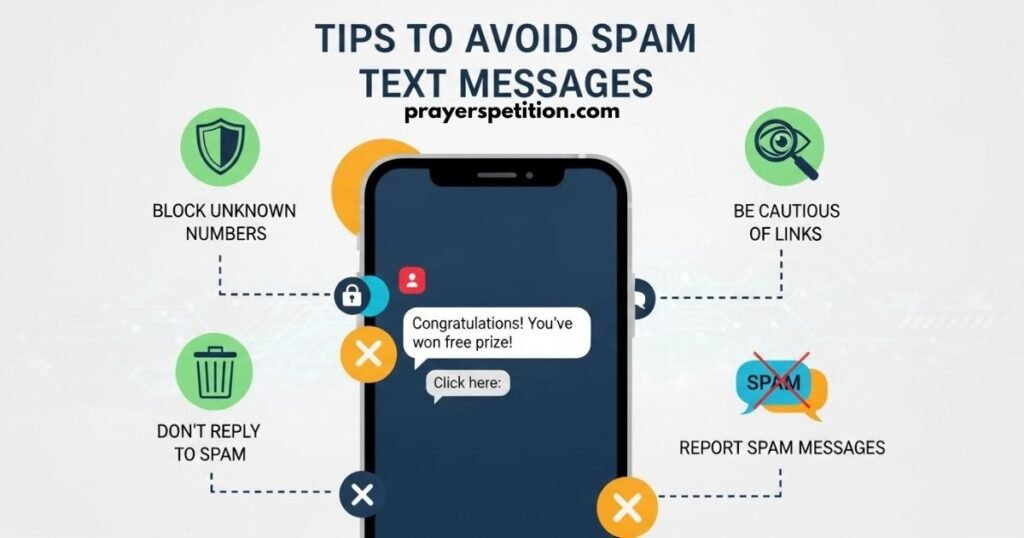
Tips to Avoid Spam Text Messages
Avoiding spam texts starts with vigilance. Don’t click unknown links or share sensitive info via SMS. Verify senders directly. Enable SMS spam filters on your device. Avoid responding to unsolicited messages. Regularly review app permissions and unsubscribe from untrusted services. Being cautious prevents fraud and protects your personal data.
Never click links in texts from unknown numbers to reduce the risk of phishing and malware attacks quickly.
Always verify suspicious messages directly with the company before sharing personal, banking, or account information safely.
Enable SMS spam filters on your device to block many known spam text messages automatically and efficiently.
Do not respond to unsolicited messages offering prizes, refunds, or urgent payments, as they are likely scams.
Regularly review subscriptions and app permissions to prevent spam texts from unknown or untrusted sources quickly.
Detect spam messages by checking for typos, suspicious links, and unusual sender numbers before acting immediately.
Text scam prevention includes ignoring high-pressure urgent messages and confirming claims through official channels carefully.
Avoid sharing OTP codes, passwords, or banking info in response to unknown or unexpected SMS messages instantly.
Be cautious with social media links sent via text, as scammers often exploit these for phishing attacks safely.
Educating yourself about common spam tactics helps identify threats early and protect personal and financial information.
FAQ’s
What types of messages should I be careful about on my phone?
Many scam messages look real, but spam text messages often come from unknown numbers or suspicious links.
How can I recognize suspicious alerts quickly?
Fake alerts, prize notifications, and payment requests are common signs of these messages to avoid clicking.
What should I do if I receive a strange link?
Never click it directly. These are usually spam text messages designed to steal personal or financial information.
Can messages from friends also be risky?
Yes, sometimes hacked contacts send this message, so always verify links and unusual requests first.
How do mobile filters protect me?
Phone filters detect patterns and keywords to block many messages before they reach your inbox.
Are there ways to report suspicious numbers?
Yes, reporting to carriers or apps helps prevent others from receiving spam text messages from the same sender.
Is it safe to respond to unexpected texts?
No, replying can confirm your number is active. It can increase the number of spam text messages you get.
Conclusion
Understanding scam messages is important for everyone. Spam text messages can arrive anytime. They may claim prizes, refunds, or urgent alerts. Learning from spam text messages examples helps you recognize them quickly. Always stay cautious and never click unknown links.
You can also review a spam message example copy and paste to study patterns safely. Seeing scam text messages examples teaches you what to ignore. Some people even learn how to scare a text scammer without giving personal details. Awareness and vigilance are your best tools.
By practicing safe habits, you reduce risks. Avoid responding to unknown numbers. Keep phones updated with spam filters. Reviewing spam text messages examples and understanding common scams ensures your personal information stays protected. Always act carefully and stay alert to all scam messages.