Physical Address
304 North Cardinal St.
Dorchester Center, MA 02124
Physical Address
304 North Cardinal St.
Dorchester Center, MA 02124

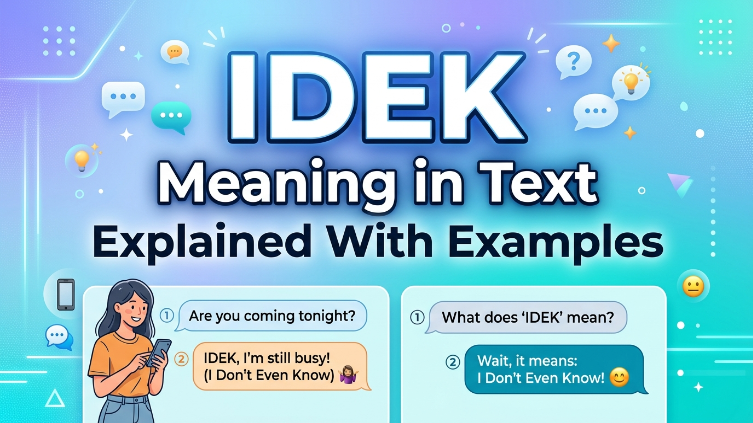
IDEK Meaning in Text is a common question among people who see this slang in chats. IDEK Meaning in Text helps readers understand this short phrase and its role in daily conversations. This guide explains IDEK Meaning in Text with simple examples.
Internet slang can feel confusing, especially when new abbreviations appear. You may also find terms like SYFM meaning, what does SYFM mean, otg meaning text, and what does otg mean in text while browsing online. Some searches even include funny topics like penis puns.
Learning IDEK Meaning in Text makes digital communication easier. It shows how people use slang terms, texting abbreviations, and casual expressions on social media platforms. With clear explanations, you can understand online conversations and reply with confidence in modern chats every day online too.
IDEK means “I Don’t Even Know.” It is a popular texting abbreviation used to show confusion, uncertainty, surprise, or a lack of knowledge in online conversations.
People often use IDEK in casual chats, social media comments, and messaging apps when they don’t have an answer or feel unsure.
IDEK meaning in text is “I Don’t Even Know.” People use this internet slang when they don’t have an answer or feel confused about something.
You may see IDEK Meaning in Text messages, social media comments, and online conversations. It usually shows:
For example:
Friend: “Why is everyone talking about that trend?”
Reply: “IDEK, I just saw it too.”
Here, IDEK means the person doesn’t know the reason behind the trend.
The IDEK full form is “I Don’t Even Know.” It is a common internet abbreviation used in casual conversations and digital communication.
The letters represent:
People use IDEK instead of writing the complete phrase to save time while texting. It adds more emotion than IDK (I Don’t Know) and often shows stronger confusion, surprise, or uncertainty.
What does IDEK stand for? The answer is simple: IDEK stands for “I Don’t Even Know.” It is a popular texting abbreviation used in internet slang and online communication.
People use IDEK when they want to express:
Unlike IDK (I Don’t Know), IDEK adds extra emphasis. It shows that someone is not just unsure but feels completely confused or unaware.
Example:
Friend: “Why did the app stop working suddenly?”
Reply: “IDEK, it was fine a minute ago.”
Here, IDEK means the person has no idea why the problem happened.
The IDEK meaning in text can change slightly depending on the conversation context. While it always stands for “I Don’t Even Know,” people use it to express different feelings, such as confusion, surprise, or frustration.
People often use IDEK when they cannot understand something or don’t know what is happening.
Example:
“IDEK how this happened.”
Meaning: The person feels confused and has no explanation for the situation.
IDEK can show frustration when someone feels tired, stressed, or overwhelmed by a problem.
Example:
“IDEK why my phone keeps freezing.”
Meaning: The person is annoyed because they cannot figure out the issue.
Sometimes IDEK expresses a strong reaction after hearing unexpected news.
Example:
“IDEK what to say after that.”
Meaning: The person is shocked or surprised and doesn’t know how to respond.
IDEK can simply mean someone doesn’t have the information they need.
Example:
“IDEK where she went.”
Meaning: The person doesn’t know the answer or location.
IDEK is usually considered neutral slang and is not rude or offensive in most casual conversations. People commonly use it in text messages, social media comments, and online chats to express confusion or uncertainty.
However, the meaning can depend on the conversation tone and context. In some situations, IDEK may sound dismissive if someone uses it as a short reply without explaining further.
IDEK is generally safe to use in:
The same abbreviation may feel rude if the person uses it to avoid answering or ignoring someone’s question.
Example:
Person: “Why didn’t you reply yesterday?”
Reply: “IDEK.”
This response might sound careless because it doesn’t give any explanation.
IDEK is not an offensive language. It is a common internet abbreviation used in casual communication. Still, understanding your audience and the situation helps you use slang in a respectful way.
IDEK is commonly used in online communication, texting culture, and social media conversations. People use this abbreviation because it helps them share confusion, uncertainty, or reactions quickly without typing a full sentence.
You’ll often see IDEK on platforms and spaces like:
IDEK appears frequently on:
People use IDEK in everyday chats on:
IDEK is also common in:
Because internet slang keeps evolving, IDEK has become a familiar part of modern digital language. It helps internet users communicate feelings quickly while keeping conversations casual and relatable.
Beyond its simple definition, IDEK meaning in text can show a person’s emotions and mental state during a conversation. While it literally means “I Don’t Even Know,” people often use it to express feelings that go beyond a lack of information.
IDEK may indicate:
For example:
“IDEK what I’m doing anymore.”
In this sentence, the person may not simply lack knowledge. They might feel stressed, lost, or emotionally overwhelmed.
The meaning of IDEK Meaning in Text depends on the conversation context and communication tone. A friend using it in a casual chat may simply be joking, while someone using it during a serious conversation may be expressing real confusion or frustration.
IDEK emerged from internet culture and texting culture as people started creating shorter ways to communicate online. As mobile texting became more popular, users began shortening common phrases to make messages faster and easier to type.
The phrase “I Don’t Even Know” became a popular part of casual digital communication because it adds more emotion than simply saying IDK (I Don’t Know). It can show stronger confusion, surprise, or frustration.
IDEK became widely recognized through:
Today, IDEK is a common example of how language evolves in the digital age. Like other internet abbreviations and chat abbreviations, it reflects the way people create quick, relatable expressions for everyday online conversations.
IDEK is one of many internet slang terms used in digital communication. While it has a unique meaning, several other texting abbreviations can look similar because they also express opinions, reactions, or feelings in online conversations.
Here are some common slang terms related to IDEK:
| Slang | Full Form | Meaning | Tone |
| IDEK | I Don’t Even Know | Strong confusion or uncertainty | Casual |
| IDK | I Don’t Know | Simple lack of knowledge | Neutral |
| IDC | I Don’t Care | Shows a lack of interest | Can sound dismissive |
| IMO | In My Opinion | Shares a personal view | Neutral |
| TBH | To Be Honest | Shows honesty or a personal thought | Friendly |
| SMH | Shaking My Head | Shows disappointment or disbelief | Critical |
| IKR | I Know, Right? | Shows agreement or surprise | Casual |
| NGL | Not Gonna Lie | Introduces an honest statement | Informal |
The biggest difference is the level of emotion.
Example:
IDK where he went.
→ The person does not know.
IDEK where he went.
→ The person has no idea and may feel more confused.
These abbreviations are common in social media slang, texting apps, and casual conversations. However, they usually fit informal communication better than professional settings like business emails or formal reports.
People use IDEK because it helps them express feelings quickly during online conversations. This texting abbreviation is shorter than writing “I Don’t Even Know” and fits the fast style of modern digital communication.
Common reasons people use IDEK include:
Typing IDEK is faster than writing the complete phrase. In quick chats and text messages, people often use shortened phrases to keep conversations moving.
IDEK does more than show a lack of knowledge. It can express confusion, surprise, frustration, or mental overload depending on the situation.
As internet slang continues to grow, abbreviations like IDEK, IDK, TBH, and NGL have become common parts of online vocabulary. They help people communicate in a casual and relatable way.
IDEK works well in friendly chats, group conversations, gaming chats, and social media comments. It creates a relaxed tone that feels natural among internet users.
Seeing IDEK in real-life conversations makes its meaning easier to understand. People usually use this slang in casual chats, text messages, and online conversations when they feel unsure, confused, or surprised.
Friend: What should we eat tonight?
You: IDEK, maybe we can order pizza.
Meaning: The person doesn’t have a clear answer and is casually sharing uncertainty.
Person: Why is everyone sharing that video?
Reply: IDEK, I just saw it on TikTok.
Meaning: The person doesn’t know why something is popular.
Person: Why did you delete the message?
Reply: IDEK, I just did it.
Meaning: The person may feel frustrated or doesn’t want to explain.
Student: When is the homework due?
Friend: IDEK, check the class group chat.
Meaning: The friend doesn’t know the information.
Coworker: Why is the system not working?
Employee: IDEK, the IT team is checking it.
Meaning: The employee doesn’t have the answer yet.
These examples show how IDEK changes slightly depending on the conversation context and communication tone. It can sound funny, confused, or frustrated based on the situation.
Although IDEK meaning in text is simple, some people misunderstand how this slang term works. Because internet language changes quickly, users may confuse its meaning, tone, or proper usage.
Reality: IDEK and IDK have similar meanings, but they are not exactly the same.
Reality: IDEK is usually neutral slang. It is commonly used in casual conversations, social media comments, and text messages.
However, the tone can change depending on the situation. A short reply like “IDEK” during a serious conversation may sound dismissive.
Reality: IDEK is not limited to teen slang. Many internet users use it across social media platforms, messaging apps, gaming chats, and online communities.
People of different ages use internet abbreviations when communicating casually online.
Reality: IDEK is best for informal communication. It may not fit professional communication, business emails, job applications, or academic papers where clear language is expected.
Understanding the audience and context helps you use IDEK correctly.
IDEK belongs to a larger group of internet slang and texting abbreviations used in online communication. Many similar terms appear in text messages, social media comments, and casual conversations to express feelings, opinions, or reactions quickly.
Some related abbreviations include:
IDK stands for “I Don’t Know.” It shows that someone does not have an answer or lacks information about something.
Example:
“IDK where my keys are.”
IDC means “I Don’t Care.” People use it when they want to show a lack of interest or concern.
Example:
“IDC what movie we watch.”
IKR stands for “I Know, Right?” It is used to show agreement or shared feelings.
Example:
“IKR, that episode was amazing!”
TBH means “To Be Honest.” People use it before sharing an honest thought or opinion.
Example:
“TBH, I didn’t like that update.”
NGL stands for “Not Gonna Lie.” It introduces a truthful statement in casual chats.
Example:
“NGL, that game was fun.”
SMH means “Shaking My Head.” It often expresses disappointment, disbelief, or annoyance.
Example:
“SMH, I can’t believe he forgot again.”
These slang terms are common parts of digital language, online culture, and social networking language. Like IDEK, they help people communicate quickly while adding emotion and personality to everyday online conversations.
IDEK works best in casual communication where people use internet slang and texting abbreviations. It helps you quickly express confusion, uncertainty, or a strong reaction without typing a long sentence.
You can use IDEK in situations like:
IDEK is common when chatting with friends through messaging apps like WhatsApp, Messenger, or Telegram.
Example:
“IDEK what we should do this weekend.”
People often use IDEK in comments on platforms like Instagram, TikTok, Facebook, and X (Twitter) when reacting to posts or trends.
Example:
“IDEK why this video went viral.”
IDEK fits naturally in group conversations where people share quick thoughts and reactions.
Example:
“IDEK who added that person to the chat.”
Gamers may use IDEK during gaming chats when they are confused about a match, update, or situation.
Example:
“IDEK how we lost that round.”
IDEK is a friendly and informal expression. Before using it, consider your audience and the conversation tone. It works well with friends and online communities but may not suit formal communication.
Although IDEK is common in internet slang and casual conversations, it is not suitable for every situation. Some conversations require clearer and more professional language.
Avoid using IDEK in:
In workplaces, clear communication matters. Using IDEK in emails, meetings, or official messages may sound too casual.
A job application should always use formal language. Avoid slang terms like IDEK because they may appear unprofessional.
Business emails need polite and complete sentences. Instead of writing “IDEK,” use a clearer response that explains your situation.
School assignments, research work, and academic papers usually require formal writing. Internet abbreviations do not fit this style.
Professional reports and presentations should use standard language so everyone understands the message clearly.
Better Alternatives to IDEK:
Choosing the right words for the right audience shows strong communication skills and digital literacy.
While IDEK works well in casual chats, some situations need a more polite and professional response. Using complete phrases can make your message sound clearer and more respectful.
Here are some better alternatives:
Using slang like IDEK can change the way people communicate online. Internet slang, texting abbreviations, and shortened phrases help people share thoughts quickly while adding personality to conversations.
The impact of slang includes:
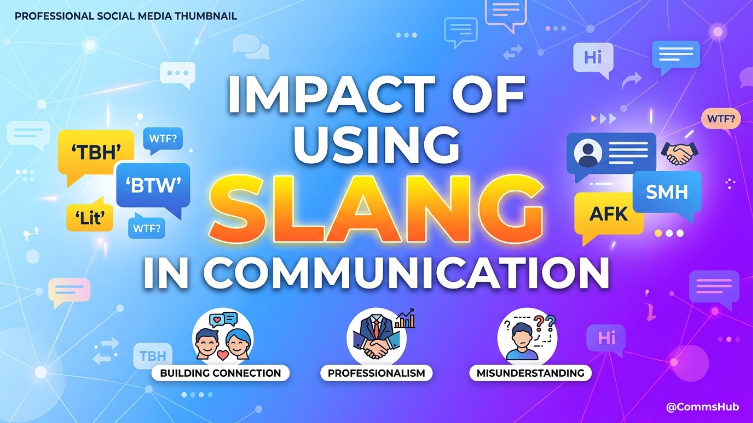
Slang can make conversations feel more friendly and relaxed. People often use terms like IDEK, TBH, and NGL to create a casual tone with friends and online communities.
Abbreviations save time, especially in mobile texting and quick online conversations. Typing a few letters is easier than writing a full phrase.
Modern slang helps people connect through shared online language. Teen slang, youth slang, and social media slang often create a sense of belonging among internet users.
However, slang can also cause confusion if the other person does not understand the meaning. Not everyone follows the same internet language trends, so knowing your audience is important.
Using slang in the right place improves communication skills. Casual chats may benefit from it, while formal communication requires clearer and more professional language.
Yes, IDEK is generally safe for social media use. It is a common internet slang term that people use on platforms like Instagram, TikTok, Snapchat, Facebook, X (Twitter), and other online communities.
IDEK is considered:
However, it’s important to consider your audience before using slang. Some people may not understand texting abbreviations, especially in formal or professional settings.
For better social media etiquette, use IDEK in casual chats, comments, and friendly conversations. Avoid using it in places like business communication, professional profiles, or formal messages where clear language is more appropriate.
Your response to IDEK depends on the conversation context and the person’s communication tone. Since IDEK can express confusion, frustration, surprise, or a lack of knowledge, the best reply should match their feeling.
When someone uses IDEK because they don’t understand something, offer help or more information.
Example:
Them: “IDEK how this happened.”
Reply: “No worries, let’s figure it out together.”
If the person simply lacks information, you can provide the answer or suggest where they can find it.
Example:
Them: “IDEK where the event is.”
Reply: “It’s at the community center. I’ll send you the details.”
When IDEK shows stress or frustration, respond with understanding.
Example:
Them: “IDEK why my phone keeps crashing.”
Reply: “That sounds annoying. Try restarting it and see if it helps.”
If someone uses IDEK after unexpected news, respond naturally and share the reaction.
Example:
Them: “IDEK what to say!”
Reply: “Same, I was surprised too.”
Understanding the emotion behind IDEK helps you give a better response. A thoughtful reply can make online conversations feel more friendly and supportive.
IDEK is widely used across English-speaking communities and online spaces around the world. Because social media and digital communication connect people globally, this slang term has become familiar in many countries.
IDEK is commonly seen in:
IDEK means I Don’t Even Know. People use this internet slang to show confusion, uncertainty, surprise, or a lack of knowledge.
Yes, IDEK meaning in text is stronger than IDK. IDK means I don’t know, while IDEK adds extra emotion.
IDEK Meaning in Text usually neutral slang. However, it may sound dismissive if someone uses it without explaining in serious conversations.
People commonly use IDEK in text messages, social media comments, group chats, gaming chats, and casual online conversations.
IDEK meaning in text suits casual chats, but avoids it in business emails, job applications, reports, or formal communication.
IDEK Meaning in Text can show confusion, frustration, surprise, shock, or emotional uncertainty depending on the conversation context and tone.
Your reply depends on the situation. You can offer help, share information, or respond kindly when someone feels unsure.
Understanding IDEK Meaning in Text is simple once you know its full meaning. IDEK Meaning in Text explains how people use this slang in casual chats and online conversations. It shows confusion, surprise, or uncertainty in a quick way.
IDEK Meaning in Text is useful for understanding modern digital language and texting habits. People also search terms like SYFM meaning, what does SYFM mean, penis puns, otg meaning text, and what does OTG mean in text while learning online expressions. These topics show how internet slang keeps changing.
Knowing IDEK Meaning in Text helps users communicate better across social media platforms and messaging apps. IDEK Meaning remains a common phrase in everyday chats. Understanding its use helps people choose the right tone and context. This makes digital communication easier and more natural for everyone using online language today.