Physical Address
304 North Cardinal St.
Dorchester Center, MA 02124
Physical Address
304 North Cardinal St.
Dorchester Center, MA 02124
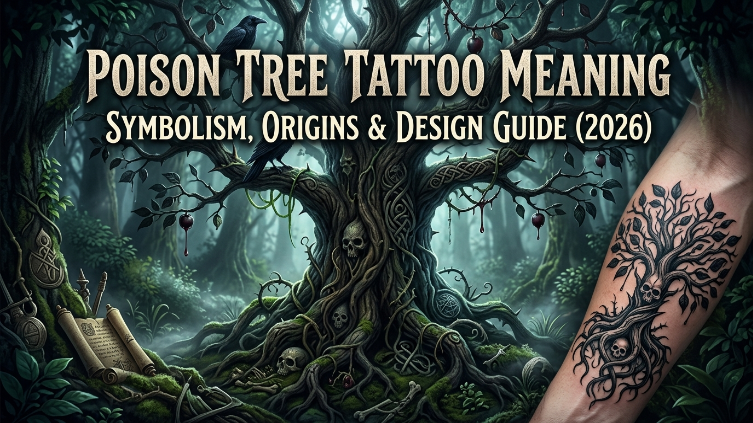
Poison Tree Tattoo Meaning has become one of the most powerful topics in modern body art. Many people choose this design because it tells a personal story instead of showing simple artwork. The Poison Tree Tattoo Mean often reflects hidden emotions, personal growth, and life lessons. It also connects with the poison tree meaning found in classic literature, making this tattoo both artistic and deeply symbolic.
If you’re curious about Poison Tree Tattoo Meaning, this guide explains every detail in simple words. You’ll learn its history, symbolism, popular designs, and why it continues to inspire tattoo lovers. While topics like snowball kiss, what is a snowball kiss, snowball kiss meaning, or even what does WYF mean in text trends online, this tattoo carries a much deeper emotional message that lasts for years.
Whether you’re planning your first tattoo or simply researching its symbolism, understanding Poison Tree Tattoo Meaning can help you appreciate its true value. From literary inspiration to personal transformation, every detail adds meaning. By the end, you’ll know why this striking tree tattoo remains one of the most meaningful and unforgettable designs in modern tattoo culture.
A Poison Tree Tattoo is a symbolic tree tattoo that represents hidden emotions, personal struggles, and emotional growth. Unlike a traditional tree that symbolizes hope, growth and renewal, or peace, this design reflects the darker side of human experience. It often features gnarled branches, twisted roots, shadowy bark, and a leafless tree or bare tree. Many designs also include forbidden fruit, creating a powerful botanical metaphor instead of a realistic tree.
The Poison Tree Tattoo Meaning centers on suppressed anger, emotional repression, and unspoken emotions that slowly grow into emotional toxicity when left unresolved. It also represents inner conflict, betrayal, heartbreak, broken trust, and the difficult path toward emotional healing. Rather than celebrating darkness, this symbolic tattoo encourages self-awareness, emotional honesty, and personal growth. For many people, it serves as a personal reminder to face difficult feelings instead of hiding them.
Today, this meaningful tattoo has become a respected form of modern body art within tattoo culture. Tattoo enthusiasts often choose it because its tattoo symbolism reflects real-life experiences instead of simple decoration. Whether designed as a black and grey tattoo, watercolor tattoo, fine line tattoo, or realistic tattoo, each tattoo design tells a unique story. The lasting appeal of the Poison Tree Tattoo Meaning comes from its rich emotional symbolism, making it one of the most personal choices in symbolic body art.
The Poison Tree Tattoo Meaning begins with William Blake, the famous English poet who published A Poison Tree in his Songs of Experience collection in 1794. This short yet unforgettable 1794 poem explores how wrath, fear, deceit, and false smiles can turn hidden anger into something destructive. Blake used the image of a poisonous tree to show how emotions continue to grow when people refuse to express them honestly.
In the poem, the speaker admits that sharing anger with a friend ends the conflict. However, hiding anger from an enemy allows it to grow until it produces forbidden fruit. This powerful literary symbolism transformed a simple tree into a lasting symbol of psychological symbolism. Today, many people choose the Poison Tree Tattoo as a literary tribute to Blake’s work while also expressing their own journey through emotional pain, transformation, and healing.
Blake’s message reaches far beyond classic poetry. Similar ideas appear across history and different belief systems, giving the tattoo even deeper personal symbolism.
These connections have made the Poison Tree Tattoo Meaning especially meaningful for literature lovers, creative thinkers, and anyone drawn to Dark Romanticism, Gothic art, or the works of Edgar Allan Poe. The design continues to stand as a timeless symbol of emotional resilience, psychological integration, and the courage to face the shadow self through honest shadow work.
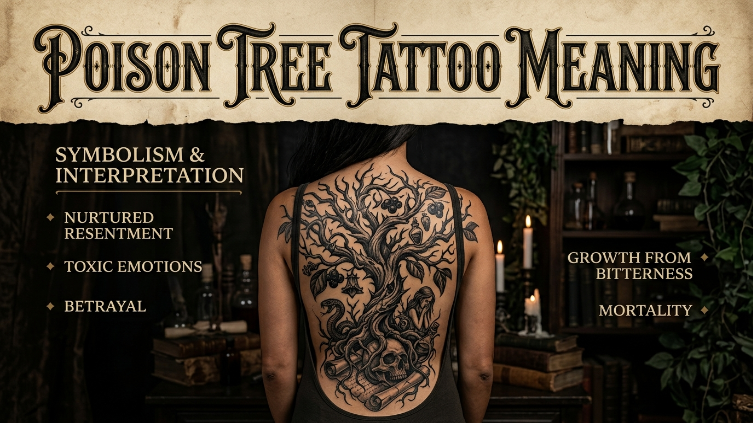
The Poison Tree Tattoo Meaning is deeply personal and often carries more than one interpretation. While every person gives their tattoo a unique story, several meanings appear again and again. Rooted in William Blake’s poem A Poison Tree, this design reflects the emotions people hide, the struggles they overcome, and the strength they gain along the way.
| Symbolism | What It Represents |
| Suppressed anger | Emotions that become harmful when they stay hidden for too long |
| Betrayal or heartbreak | The pain caused by deceit, loss, or broken trust |
| Caution | A reminder to protect your emotional boundaries and avoid emotional toxicity |
| Inner conflict | The struggle between what you feel inside and what you show the world |
| Transformation | Personal growth that comes after facing emotional pain and healing |
| Self-awareness | Accepting your shadow self instead of denying difficult emotions |
| Protection | Guarding your peace and removing toxic influences from your life |
| Lessons learned | The wisdom that comes from overcoming bitterness and difficult experiences |
What makes the Poison Tree Tattoo Mean so powerful is that it doesn’t glorify darkness. Instead, it encourages emotional honesty, self-awareness, and personal growth. Many people choose this meaningful tattoo after surviving toxic relationships, heartbreak, or periods of emotional repression. Rather than hiding those experiences, they turn them into a permanent symbol of healing, resilience, and the courage to move forward.
For others, this symbolic tattoo also represents psychological symbolism and the journey toward psychological integration. It serves as a quiet reminder that ignoring unspoken emotions, fear, or wrath only allows them to grow. Facing those feelings with honesty leads to real transformation. That message is why the Poison Tree Tattoo Meaning continues to resonate with tattoo enthusiasts around the world.
This isn’t the kind of tattoo people choose on a whim. Most people who wear a Poison Tree Tattoo have a personal reason behind it. The design usually reflects a life experience, an emotional struggle, or a lesson they never want to forget. For many, the Poison Tree Tattoo Meaning becomes a lasting reminder of where they’ve been and how far they’ve come.
People who spent years hiding their emotions. Some grew up believing they had to stay quiet instead of expressing anger or sadness. Over time, those unspoken emotions turned into emotional repression and inner conflict. The tattoo marks the moment they chose emotional honesty and started their journey toward emotional healing.
People recovering from toxic relationships. Whether the pain came from family betrayal, romantic betrayal, or professional betrayal, this tattoo symbolizes both the hurt and the strength to move forward. It represents broken trust, heartbreak, resilience, and the decision to leave emotional toxicity behind.
Literature lovers and creative minds. Many people are drawn to the tattoo because of William Blake’s poem A Poison Tree. Fans of Dark Romanticism, Gothic art, and writers like Edgar Allan Poe often appreciate its rich literary symbolism. For them, the tattoo is both meaningful body art and a lasting literary tribute.
People focused on healing and self-discovery. Some choose this design during therapy or after working with counselors. It reminds them to face their shadow self instead of hiding it. The Poison Tree Tattoo Meaning becomes a symbol of shadow work, psychological integration, personal growth, and the strength that comes from turning emotional pain into lasting transformation.
The Poison Tree Tattoo doesn’t have one fixed look. Every tattoo artist brings a different creative style to the design. Some people prefer a bold gothic tattoo, while others choose something simple and modern. No matter the style, the Poison Tree Tattoo Meaning stays at the heart of the artwork. Each design reflects the wearer’s emotions, experiences, and personal story in a unique way.
Below are the most popular design variations chosen by tattoo enthusiasts.
This is the most classic version of the Poison Tree Tattoo. It features gnarled branches, twisted roots, and shadowy bark to create a dark, dramatic look. A black and grey tattoo gives the design a timeless gothic aesthetic that highlights decay, inner conflict, and hidden emotions. Many people also add a raven tattoo, skull tattoo, or full moon tattoo to strengthen the overall symbolism.
Some people prefer to honor William Blake by including lines from A Poison Tree in their tattoo. The words may wrap around the branches or appear beneath the roots in gothic script. This style creates a meaningful literary tribute and keeps the connection to the Songs of Experience clear. It is a popular choice among literature lovers and those who appreciate classic poetry.
This design shows one side of the tree full of life while the other side appears dead and lifeless. The contrast represents duality, growth and destruction, and the balance between pain and recovery. Many people choose this design to reflect their journey through emotional healing, personal growth, and transformation. It reminds them that difficult experiences can lead to a stronger future.
A serpent wrapped around the branches with a glowing apple creates one of the most symbolic versions of the Poison Tree Tattoo. The design draws inspiration from the Tree of Knowledge in the Garden of Eden and blends Christian symbolism with Blake’s poem. It also reflects temptation, forbidden knowledge, and the consequences of suppressed anger, giving the tattoo even greater depth.
In this variation, the forbidden fruit appears as a heart-shaped fruit instead of a traditional apple. The design focuses on heartbreak, broken trust, and relationships that became emotionally harmful over time. It represents love mixed with pain and serves as a reminder of the lessons learned after surviving toxic relationships and emotional loss.
Not everyone wants a bold tattoo. A minimalist tattoo or fine line tattoo uses clean lines to create a simple outline of a bare tree or leafless tree. Although the design looks subtle, the Poison Tree Tattoo Meaning remains just as powerful. Many people choose this style because it reflects quiet strength, self-awareness, and emotional honesty without drawing too much attention.
A watercolor tattoo offers a softer and more expressive interpretation of the Poison Tree Tattoo. Instead of heavy shading, it uses flowing colors such as deep red, dark green, blue, and black to create emotion and movement. This artistic style captures emotional symbolism, healing, and resilience while turning the tattoo into a striking piece of modern body art.
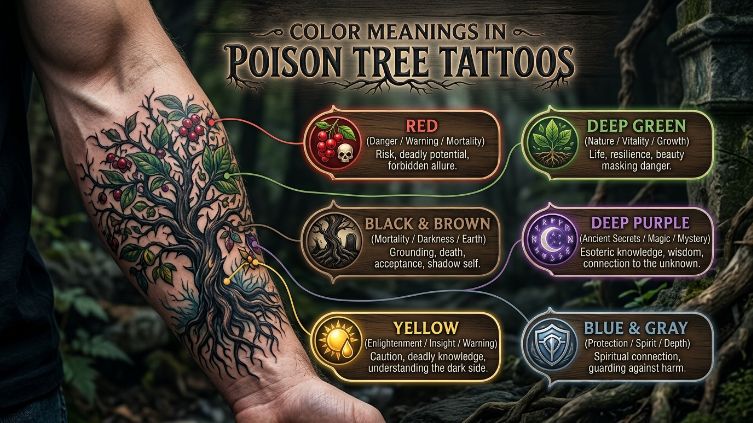
Color can completely change how a Poison Tree Tattoo looks and feels. While the design itself carries deep tattoo symbolism, the colors add another layer of emotion and personal meaning. Some people choose darker shades to highlight pain and struggle, while others use brighter tones to represent healing, transformation, and personal growth.
Different colors create different moods and help tell the story behind the Poison Tree Tattoo Meaning:
| Color | What It Represents |
| Black and grey | Inner struggles, seriousness, reflection, and emotional depth. A popular choice for a classic gothic tattoo style. |
| Deep red | Passion, anger, resentment, and the slow-burning emotions connected with suppressed anger. |
| Dark green | The hidden growth of negative emotions, emotional toxicity, and things left unresolved over time. |
| Blood red fruit | Consequences, temptation, and the visible result of buried feelings or painful experiences. |
| Blue or teal | A mysterious and unusual feeling, representing emotional distance, sadness, or deep reflection. |
| Muted earth tones | Strength, stability, survival, and resilience after difficult life experiences. |
A skilled tattoo artist can use color choices to make the design feel more personal. For example, a black and grey tattoo may focus on the darker side of emotional pain, while a colorful watercolor tattoo can represent recovery and hope after hardship. Even small details, such as a red apple or green leaves, can completely change the message of the artwork.
Whether someone chooses a bold or subtle style, the colors help transform a simple tree tattoo into meaningful symbolic body art. Each shade reflects a different part of the journey, from struggle and internal struggle to acceptance, emotional healing, and renewed strength.
Where you place a Poison Tree Tattoo can add another layer of meaning to the design. Some people choose visible areas because they want to share their story openly, while others prefer hidden locations that feel more private and personal. The right tattoo placement depends on the size, style, and emotional connection behind the artwork.
A large realistic tattoo with detailed gnarled branches, twisted roots, or extra elements like a raven tattoo often works best on wider areas. Smaller designs, such as a minimalist tattoo or fine line tattoo, can fit beautifully on smaller spaces while keeping the Poison Tree Tattoo Meaning meaningful.
| Placement | What It Communicates |
| Forearm | Openness and confidence — a visible reminder of your personal journey and lessons learned. |
| Back | A powerful statement piece representing past experiences, hidden struggles, or emotional weight carried silently. |
| Ribs | A private and personal placement connected to emotions kept close to yourself. |
| Chest | Represents feelings carried near the heart, including love, pain, and emotional truth. |
| Spine | Symbolizes inner strength, balance, and spiritual alignment from within. |
| Neck | Shows boldness, vulnerability, and the courage to display personal meaning. |
| Thigh or calf | Offers a larger canvas while allowing the tattoo to stay personal or easily covered. |
| Wrist or ankle | Creates a subtle reminder of healing, growth, and important life lessons. |
The forearm tattoo remains one of the most popular choices because it stays visible in everyday life. For many people, seeing the design regularly becomes a personal reminder of self-awareness, emotional resilience, and the decision to move forward.
However, there is no single perfect location for this symbolic tattoo. A hidden tattoo can represent private battles, while a visible tattoo can represent acceptance and emotional honesty. Whether placed on the arm, chest, back, or another area, the location helps make the Poison Tree Tattoo a unique expression of personal symbolism.
The Poison Tree Tattoo Meaning connects strongly with human emotions because it reflects struggles many people experience but rarely discuss. The idea behind this design goes beyond simple body art. It represents the hidden thoughts, painful memories, and difficult emotions that people carry inside. Like the tree in William Blake’s A Poison Tree, feelings that remain buried can grow stronger over time.
Modern psychology shows that avoiding emotions doesn’t always make them disappear. Long-term emotional repression can affect a person’s mental and physical well-being. Studies have connected chronic emotional stress with issues such as anxiety, depression, immune dysfunction, and physical pain. The Poison Tree Tattoo reflects this idea by showing what can happen when unspoken emotions, anger, and hurt remain hidden for too long.
The concept also connects with Carl Jung’s idea of the shadow self — the parts of ourselves that we hide, ignore, or refuse to accept. Through shadow work, people learn to recognize these hidden feelings instead of allowing them to control their lives. This process leads toward psychological integration, self-awareness, and deeper emotional understanding.
For many people, getting a Poison Tree Tattoo becomes a form of personal expression. It represents facing the past, accepting emotional complexity, and turning pain into strength. The design becomes a symbol of healing, symbol of transformation, and symbol of resilience. Rather than showing weakness, it reflects survival, growth, and the courage to bring hidden emotions into the light.
Getting a Poison Tree Tattoo is a personal decision that goes beyond choosing a beautiful design. This tattoo carries deep emotional symbolism, so it is important to understand the meaning behind it before making a permanent choice. Since the design often represents suppressed anger, emotional healing, self-awareness, and personal experiences, take time to choose a style that truly connects with your story.
The first step is finding the right tattoo artist. A skilled artist can bring details like gnarled branches, twisted roots, forbidden fruit, or gothic script to life. Look at their previous work, especially if you want a detailed realistic tattoo, black and grey tattoo, or fine line tattoo. Every artist has a different approach, and the right match can make your symbolic tattoo feel more meaningful.
Think carefully about your preferred tattoo placement as well. Large designs may need more space, such as a back tattoo, chest tattoo, sleeve tattoo, or thigh tattoo. Smaller versions can work well as a wrist tattoo, ankle tattoo, or subtle forearm tattoo. The location can affect both the appearance and the personal meaning of the design.
You should also prepare for the tattoo process itself. Detailed artwork may require multiple tattoo sessions, especially when it includes heavy shading, color, or complex elements. Following proper tattoo aftercare instructions helps protect the design and supports better tattoo healing.
Most importantly, choose a design that feels authentic to you. A Poison Tree Tattoo can represent a difficult chapter, a lesson learned, or a reminder of your strength. Whether it symbolizes survival, emotional growth, or a connection to William Blake’s A Poison Tree, this piece of modern body art should reflect your own journey.
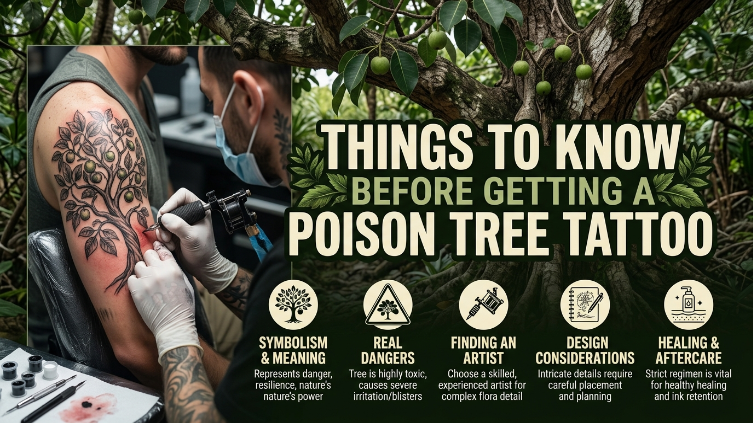
A Poison Tree Tattoo Meaning often represents hidden emotions, personal struggles, healing, and the strength gained after overcoming difficult experiences.
The Poison Tree Tattoo Mean is not only about darkness. It also reflects self-awareness, transformation, emotional growth, and personal healing.
Yes, the Poison Tree Tattoo Meaning comes from William Blake’s poem A Poison Tree, which explores anger and hidden feelings.
The Poison Tree Tattoo Mean can show emotional recovery, resilience, and the choice to release painful emotions instead of holding them inside.
Many Poison Tree Tattoo Meaning designs include apples, serpents, ravens, gothic styles, and roots to add deeper symbolic messages.
The Poison Tree Tattoo Mean works well on forearms, backs, ribs, and chests because placement adds personal emotional value.
People choose a Poison Tree Tattoo Meaning design to represent survival, lessons learned, inner strength, and their unique life journey.
The Poison Tree Tattoo Meaning goes far beyond a simple design. It tells a story about emotions, struggles, and personal growth. The Poison Tree Tattoo Meaning shows how pain can become strength. It connects with the deeper poison tree meaning of hidden feelings and life lessons.
Many people search for topics like snowball kiss, what is a snowball kiss, or snowball kiss meaning when exploring online trends. However, the Poison Tree Tattoo Meaning focuses on emotional symbolism and personal journeys. It represents healing, awareness, and transformation.
The Poison Tree Tattoo Meaning remains a powerful choice in modern body art. Whether someone chooses it for recovery, memories, or self-expression, it carries a unique message. Even searches like what WYF means in text show curiosity about meanings, but this tattoo holds a much deeper story.